


Prepare Physically for High-Altitude Hunting Trips
High-altitude hunting trips can be exhilarating, offering breathtaking views and the thrill of pursuing game in remote locations. However, the challenges posed by altitude can significantly impact your experience. Preparing physically for these trips is crucial to ensure you can enjoy the adventure without succumbing to altitude sickness or fatigue. In this guide, we will explore effective strategies to enhance your physical readiness for high-altitude hunting trips.
Understanding High Altitude
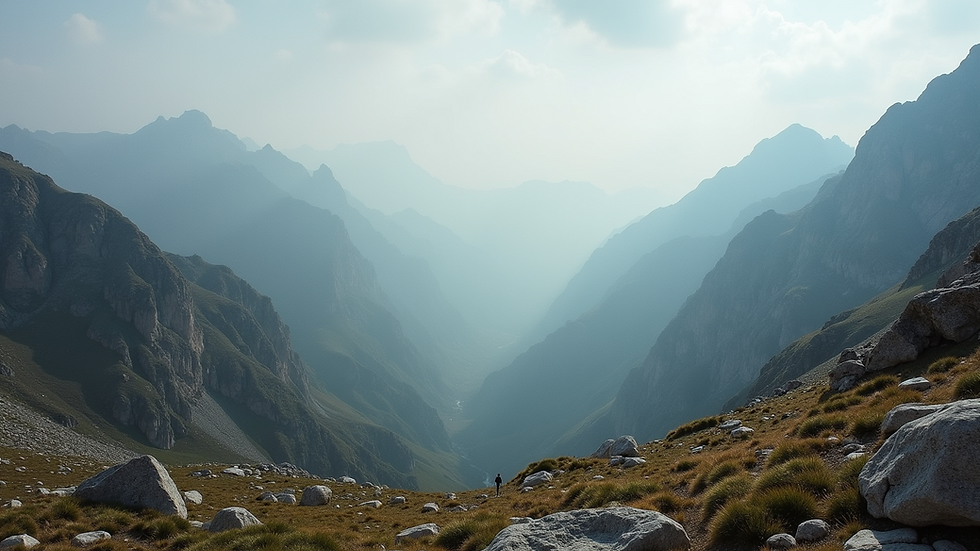
High altitude is generally defined as elevations above 8,000 feet (2,400 meters). At these heights, the air pressure decreases, leading to lower oxygen levels. This can result in various symptoms, including headaches, nausea, and fatigue, collectively known as altitude sickness. Understanding how your body reacts to these conditions is the first step in preparing for your hunting trip.
The Effects of Altitude on the Body
When you ascend to high altitudes, your body undergoes several physiological changes:
Decreased Oxygen Availability: The air contains less oxygen, making it harder for your body to function optimally.
Increased Heart Rate: Your heart pumps faster to deliver oxygen to your muscles and organs.
Fluid Balance Changes: You may experience dehydration more quickly due to increased respiration and perspiration.
These changes can affect your stamina and overall performance during your hunting trip. Therefore, physical preparation is essential.
Building Endurance
Endurance is key for high-altitude hunting, where you may need to hike long distances over rugged terrain. Here are some effective ways to build your endurance:
Cardiovascular Training
Engaging in regular cardiovascular exercises will enhance your heart and lung capacity. Consider incorporating the following activities into your routine:
Running or Jogging: Aim for at least 30 minutes of running three to four times a week.
Cycling: Both stationary and outdoor cycling can improve your cardiovascular fitness.
Swimming: This low-impact exercise is excellent for building endurance without stressing your joints.
Hiking with a Pack
To simulate the conditions of your hunting trip, practice hiking with a weighted backpack. Start with a light load and gradually increase the weight as your strength improves. Aim for hikes that mimic the elevation and terrain you will encounter during your trip.
Interval Training
Incorporate interval training into your workouts to improve your stamina. This involves alternating between high-intensity bursts of activity and lower-intensity recovery periods. For example, sprint for 30 seconds, then walk for one minute, and repeat for 20 minutes.
Strength Training
Building strength is equally important for navigating challenging landscapes and carrying gear. Focus on exercises that target your core, legs, and upper body:
Core Exercises
A strong core helps maintain balance and stability while hiking. Include exercises such as:
Planks: Hold a plank position for 30 seconds to one minute.
Russian Twists: Perform 15-20 repetitions on each side.
Mountain Climbers: Aim for 30 seconds of continuous movement.
Leg Workouts
Strong legs are essential for climbing and descending steep terrain. Consider these exercises:
Squats: Perform three sets of 10-15 repetitions.
Lunges: Alternate legs for three sets of 10-12 repetitions.
Step-Ups: Use a sturdy bench or step for three sets of 10 repetitions per leg.
Upper Body Strength
You will need upper body strength for carrying your gear and handling your equipment. Focus on:
Push-Ups: Aim for three sets of 10-15 repetitions.
Pull-Ups: If possible, work towards completing five to ten pull-ups.
Dumbbell Rows: Perform three sets of 10-12 repetitions.
Acclimatization Strategies
Even with physical preparation, acclimatization is vital when you reach high altitudes. Here are some strategies to help your body adjust:
Gradual Ascent
If possible, ascend gradually to allow your body to adapt to the changing altitude. Spend a few days at an intermediate elevation before reaching your final destination.
Stay Hydrated
Dehydration can exacerbate the effects of altitude sickness. Drink plenty of water before, during, and after your trip. Aim for at least half a gallon (2 liters) of water daily, increasing your intake if you are physically active.
Monitor Your Body
Pay attention to how your body feels as you ascend. If you experience symptoms of altitude sickness, such as headaches or dizziness, consider descending to a lower elevation until you feel better.
Nutrition for High-Altitude Hunting
Proper nutrition plays a crucial role in your physical preparation. Fueling your body with the right foods can enhance your performance and recovery. Here are some dietary tips:
Carbohydrates
Carbohydrates are your body's primary energy source, especially during intense physical activity. Focus on complex carbohydrates such as:
Whole grains (brown rice, quinoa, oats)
Fruits (bananas, berries, apples)
Vegetables (sweet potatoes, leafy greens)
Proteins
Protein is essential for muscle repair and recovery. Include lean protein sources in your diet, such as:
Chicken or turkey
Fish (salmon, tuna)
Legumes (beans, lentils)
Healthy Fats
Incorporate healthy fats to support overall health and energy levels. Good sources include:
Avocados
Nuts and seeds
Olive oil
Pre-Trip Meal Planning
Before your trip, plan your meals to ensure you have access to nutritious foods. Consider packing lightweight, high-energy snacks such as trail mix, protein bars, and jerky for on-the-go fuel.
Mental Preparation
Physical readiness is only part of the equation. Mental preparation is equally important for a successful high-altitude hunting trip. Here are some strategies to enhance your mental resilience:
Visualization Techniques
Visualize yourself successfully navigating the terrain and achieving your hunting goals. This mental rehearsal can boost your confidence and reduce anxiety.
Mindfulness and Breathing Exercises
Practice mindfulness and deep breathing exercises to stay calm and focused during your trip. Techniques such as meditation can help you manage stress and maintain a positive mindset.
Set Realistic Goals
Establish achievable goals for your hunting trip. Whether it's a specific distance to hike or a target animal to pursue, having clear objectives can keep you motivated and focused.
Gear Considerations
Having the right gear is essential for a successful high-altitude hunting trip. Here are some key items to consider:
Footwear
Invest in high-quality hiking boots that provide support and traction. Ensure they are broken in before your trip to prevent blisters.
Clothing Layers
Dress in layers to adapt to changing weather conditions. Include moisture-wicking base layers, insulating mid-layers, and waterproof outer layers.
Hydration System
Consider using a hydration pack or water bottles to stay hydrated during your hikes. Ensure you have a reliable water purification method if you plan to source water from natural streams.
Conclusion
Preparing physically for high-altitude hunting trips is essential for a successful and enjoyable experience. By focusing on endurance, strength, acclimatization, nutrition, mental preparation, and the right gear, you can enhance your performance and minimize the risks associated with altitude sickness. Remember, the key to a successful hunting trip lies in preparation and adaptability. So lace up your boots, pack your gear, and get ready for an unforgettable adventure in the mountains!


Comments