


Essential Gear for Mountain Hunting Adventures
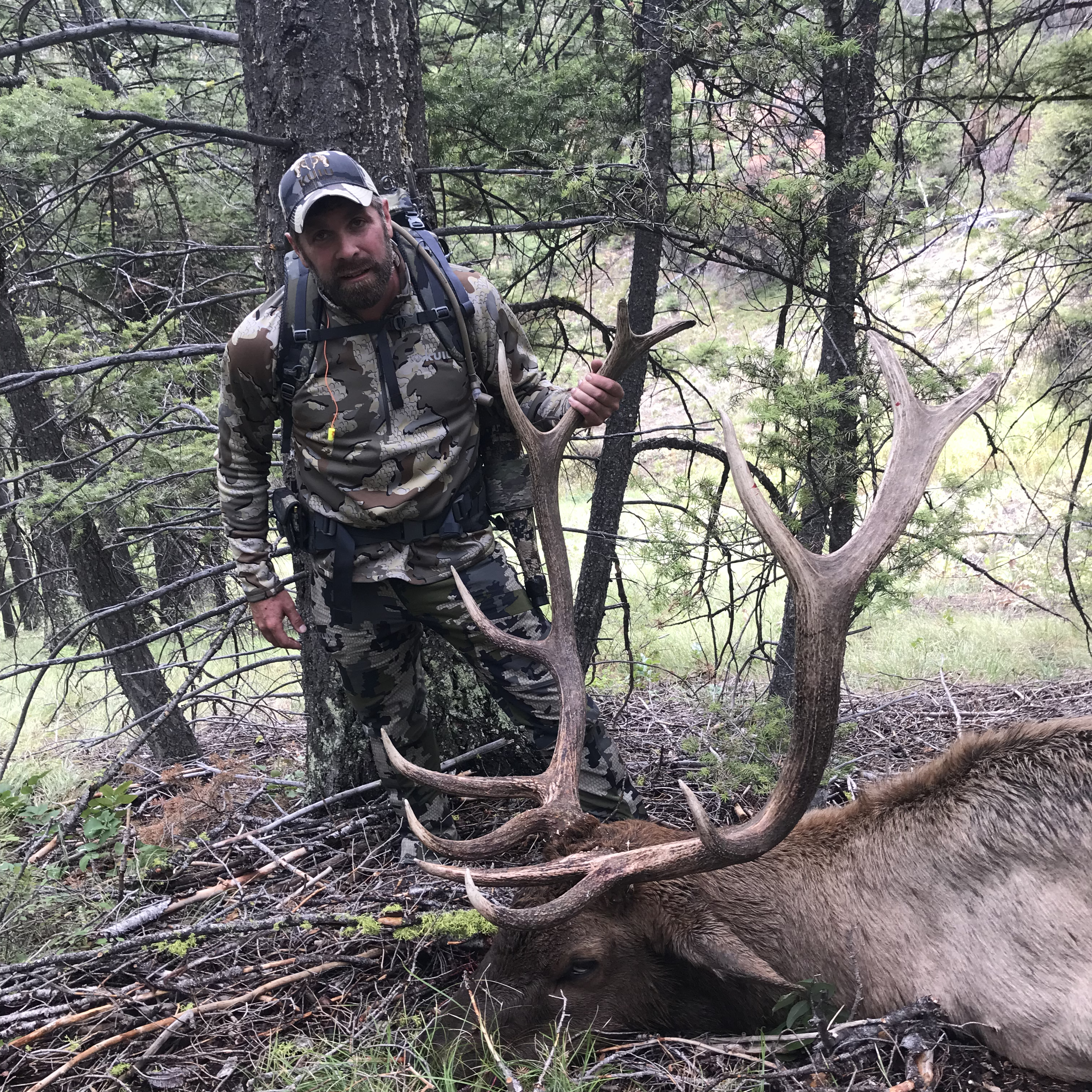
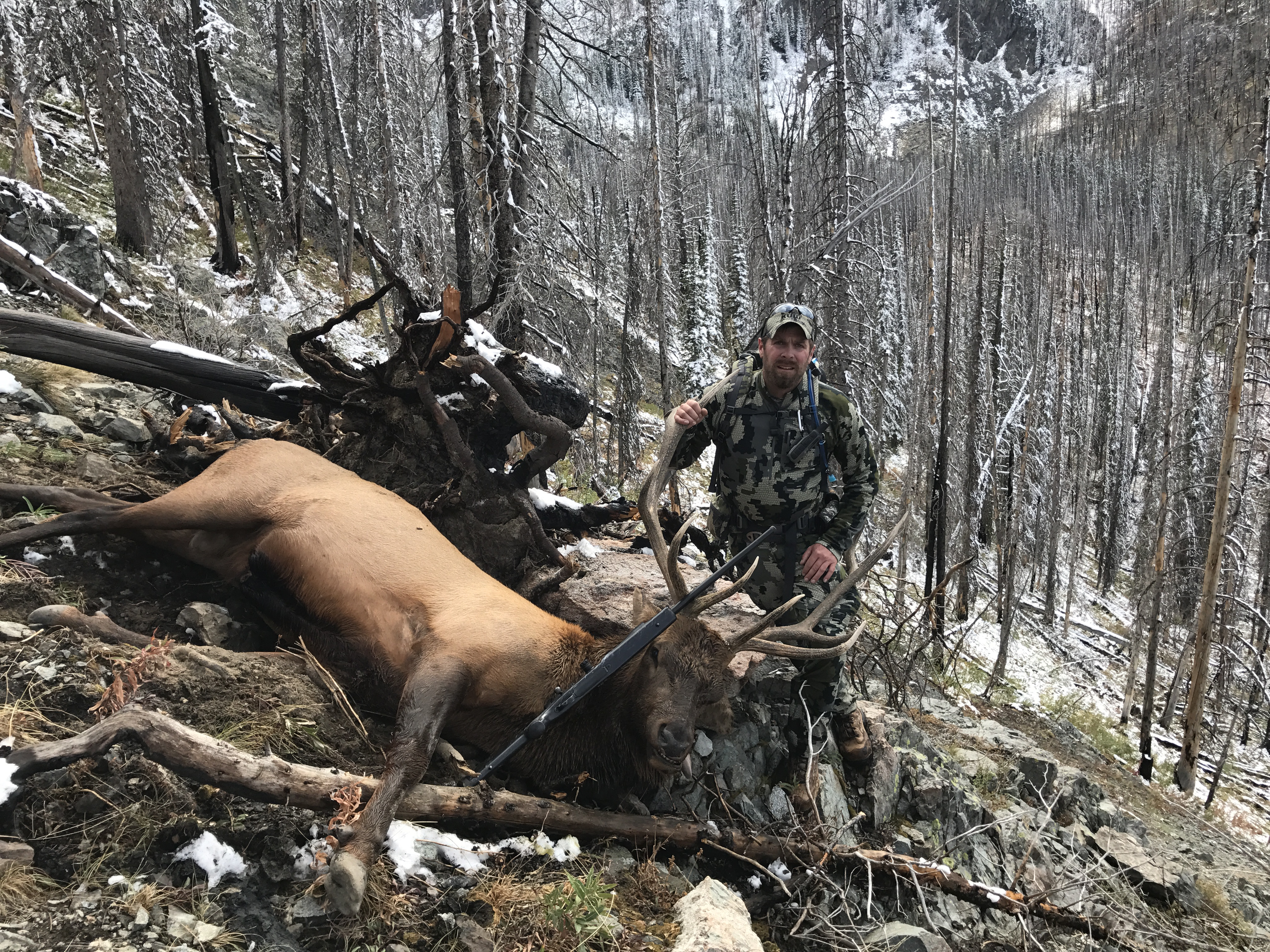
Mountain hunting is an exhilarating experience that combines the thrill of the chase with the beauty of nature. However, the success of your adventure largely depends on the gear you choose to bring along. In this post, we will explore the essential gear that every mountain hunter should consider for a successful and safe outing. From clothing to equipment, we’ll cover everything you need to make your mountain hunting experience memorable.

Understanding the Terrain
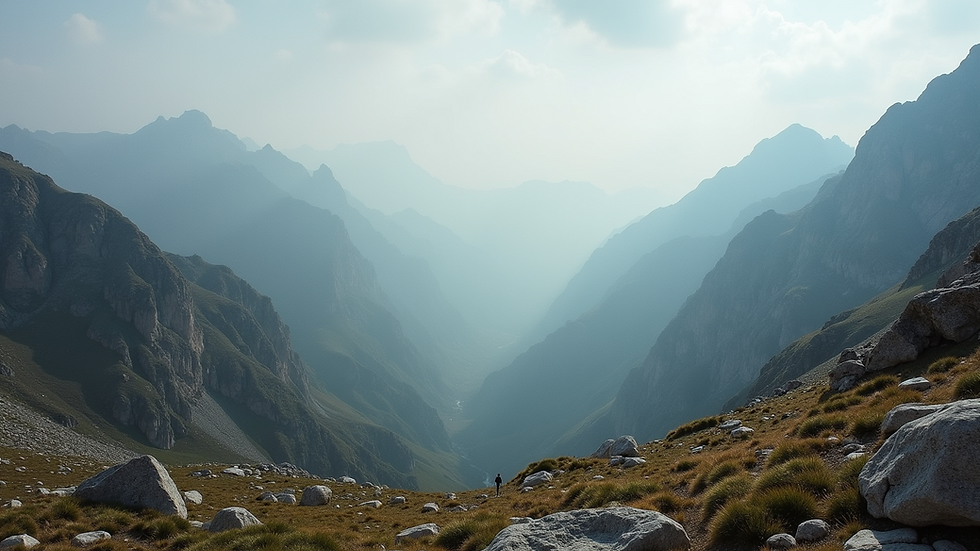
Before diving into the gear, it’s crucial to understand the unique challenges that mountain hunting presents. The terrain can be steep, rocky, and unpredictable, requiring hunters to be well-prepared. Here are some factors to consider:
Elevation Changes: Mountain hunting often involves significant elevation changes, which can affect your stamina and gear choice.
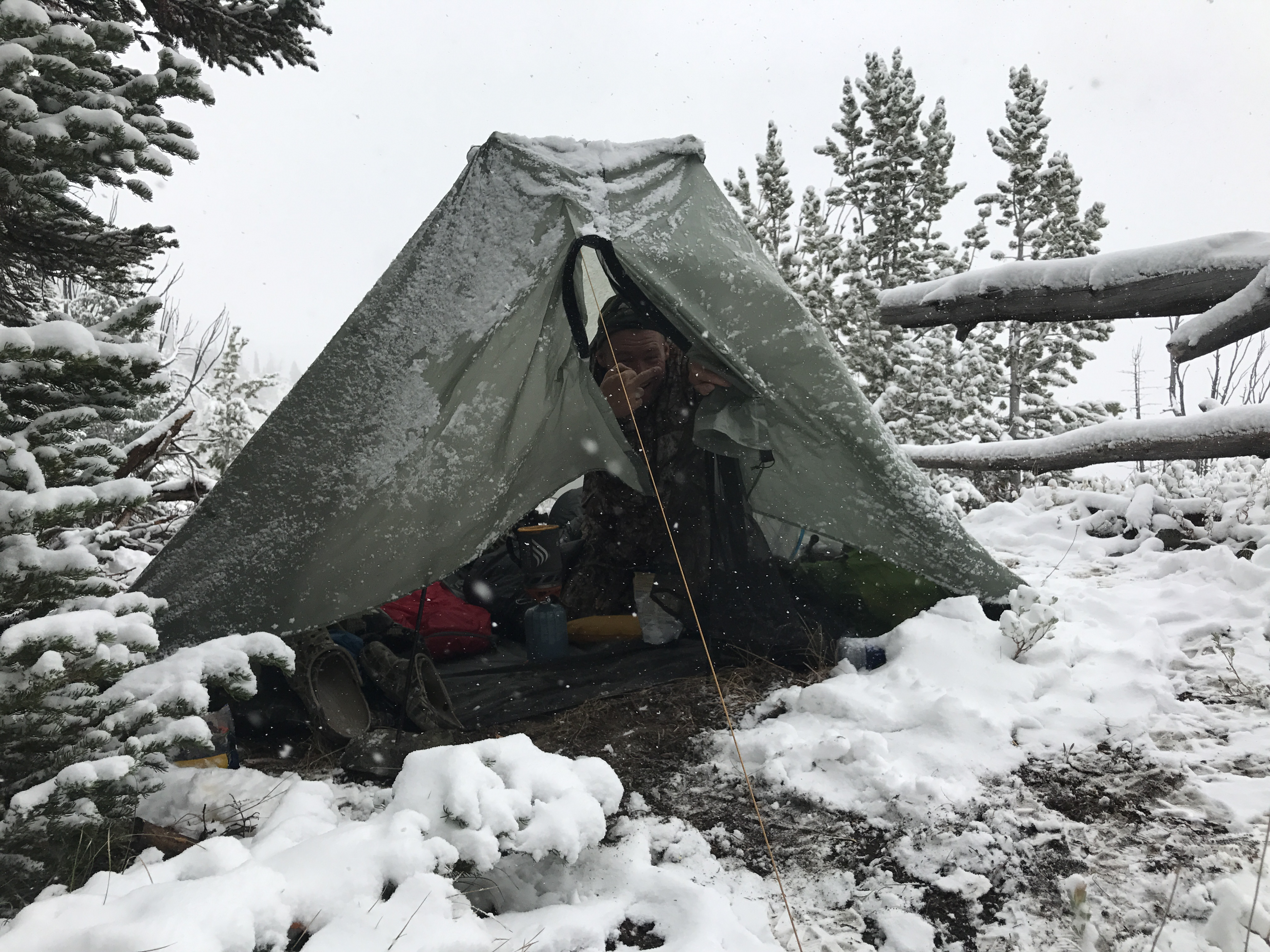
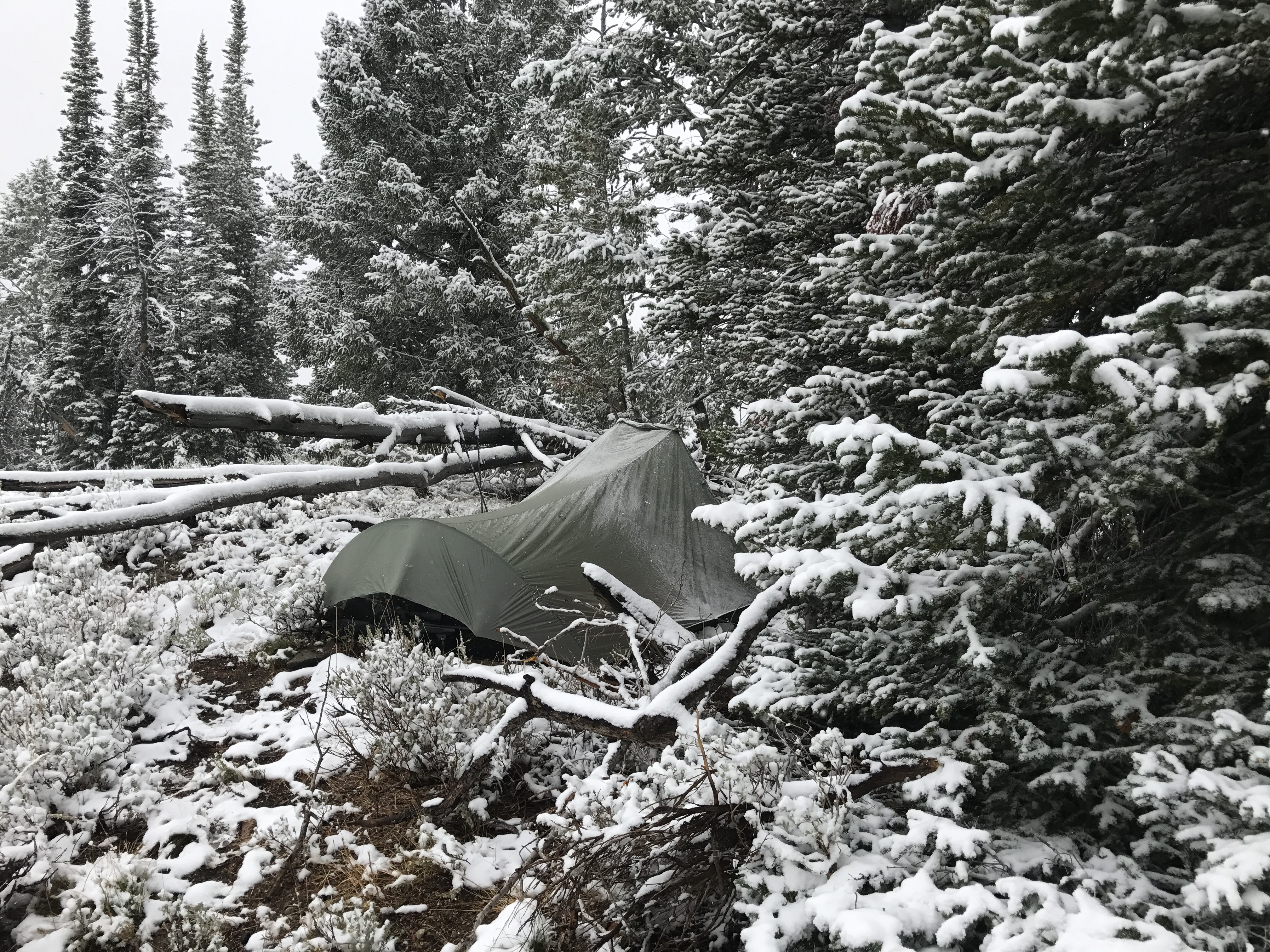
Weather Variability: Weather conditions can change rapidly in the mountains. Be prepared for rain, snow, or intense sun.
Wildlife Behavior: Understanding the habits of the game you are pursuing is essential for a successful hunt.
Essential Clothing
The right clothing can make a significant difference in your comfort and performance while hunting in the mountains. Here’s a breakdown of what to wear:
Base Layers
Base layers are designed to wick moisture away from your skin, keeping you dry and comfortable. Look for materials like merino wool or synthetic fabrics. Key items include:
Long-sleeve shirts: Choose lightweight options that provide breathability.
Thermal leggings: These will keep your legs warm without adding bulk.
Insulation Layers
Insulation layers help retain body heat. Depending on the weather, you may need:
Fleece jackets: Lightweight and warm, perfect for layering.
Down vests: Great for added warmth without restricting movement.
Outer Layers
Your outer layer should protect you from wind, rain, and snow. Consider the following:
Waterproof jackets: Look for breathable materials that keep moisture out while allowing sweat to escape.
Durable pants: Choose pants made from tough materials that can withstand rough terrain.
Footwear
Your choice of footwear is critical for comfort and safety. Here are some recommendations:
Hiking boots: Opt for waterproof, breathable boots with good ankle support.
Gaiters: These can help keep debris and moisture out of your boots.
Hunting Equipment
Once you have your clothing sorted, it’s time to focus on the equipment that will aid in your hunt.
Firearms and Ammunition
Choosing the right firearm is essential for mountain hunting. Consider the following:
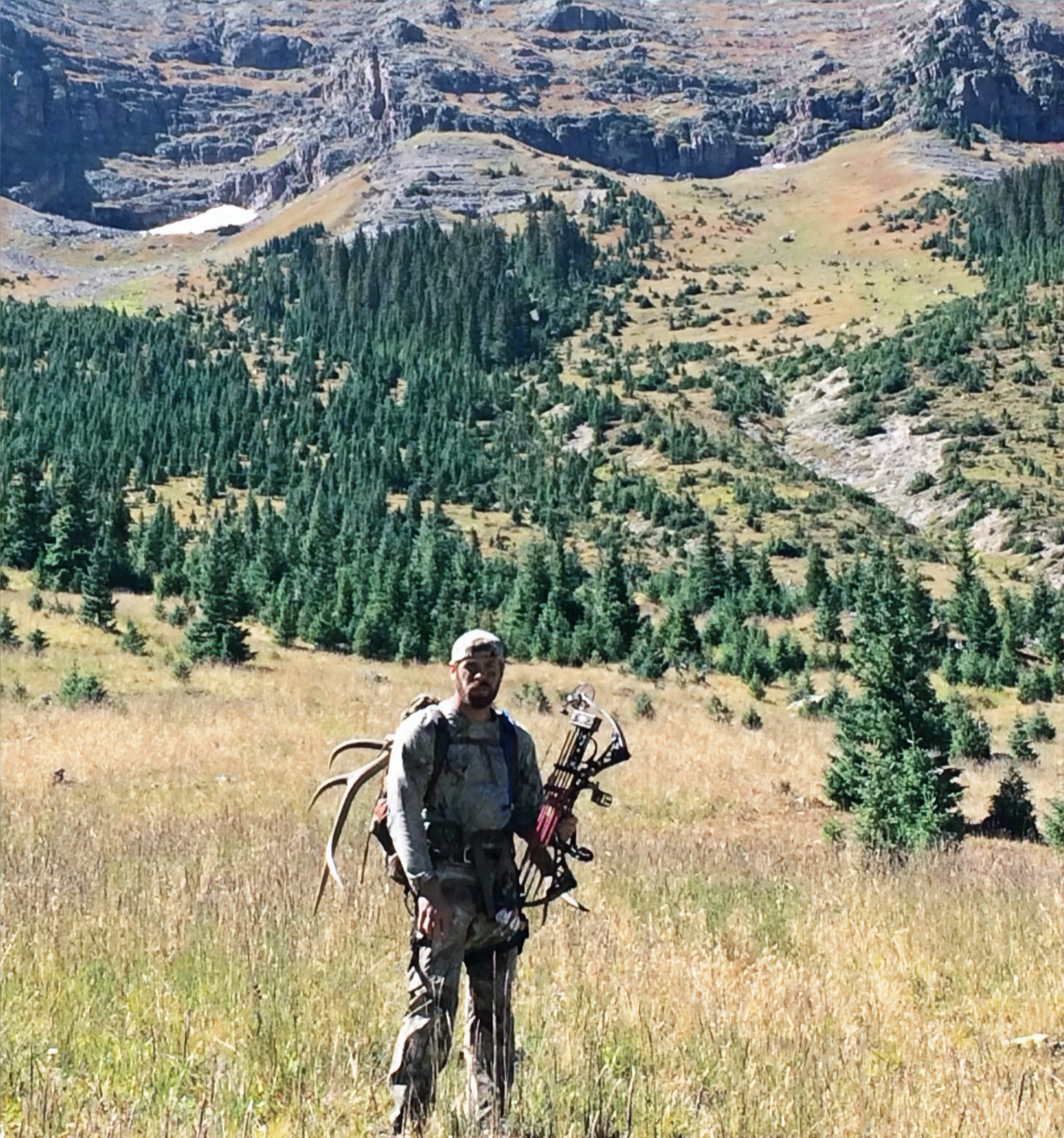
Rifles: A lightweight rifle is ideal for carrying over long distances. Look for models that offer accuracy and reliability.
Ammunition: Choose ammunition that is suitable for the game you are hunting. Research the best options for your specific needs.
Optics
Good optics can make a significant difference in your ability to spot game from a distance. Here’s what to consider:
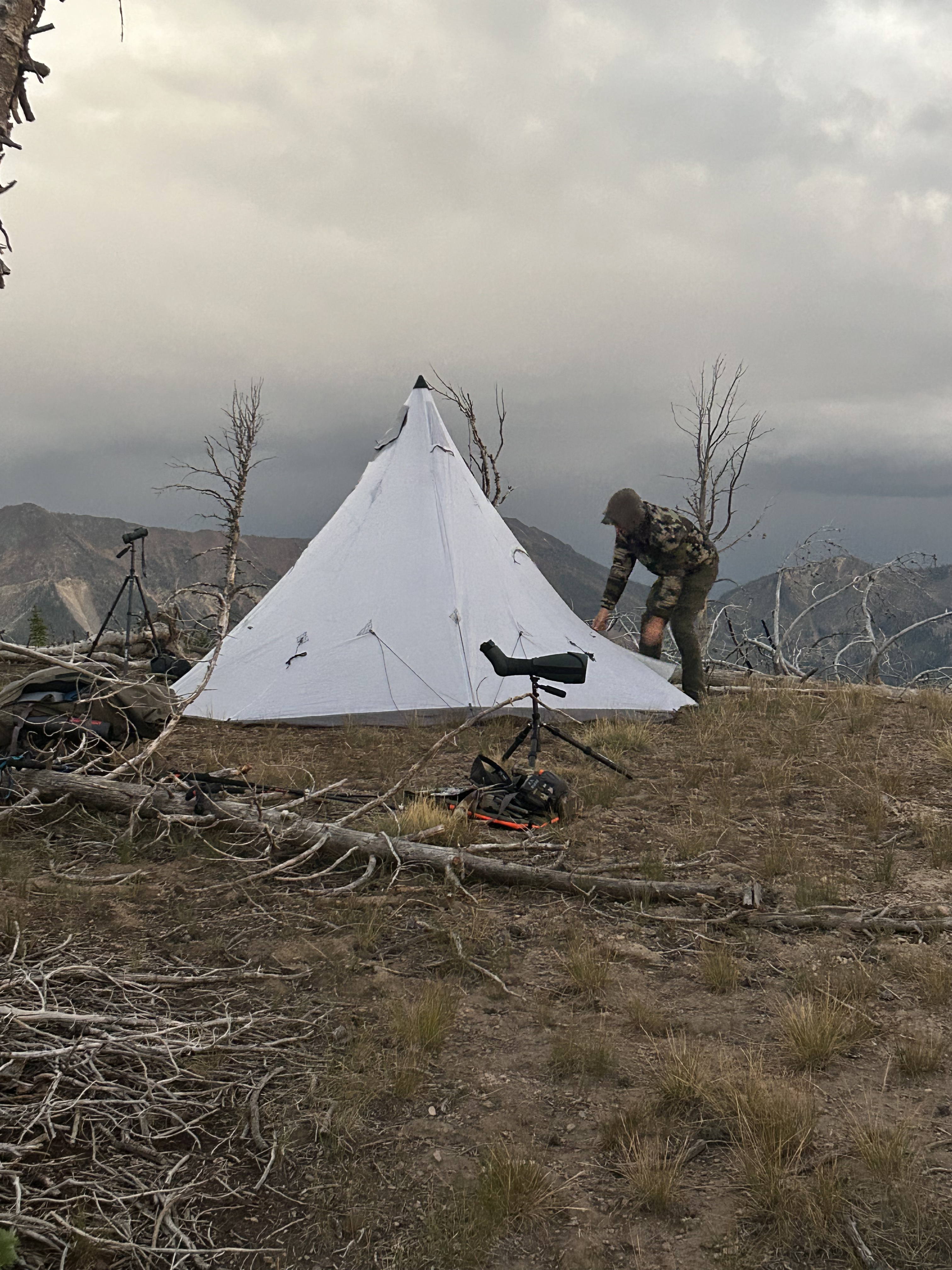
Binoculars: Invest in high-quality binoculars with good magnification and clarity.
Spotting scopes: These are useful for long-distance viewing and can help you identify game before making a move.
Backpack
A sturdy backpack is essential for carrying your gear. Look for features such as:
Comfortable straps: Ensure the backpack fits well and distributes weight evenly.
Multiple compartments: This helps keep your gear organized and easily accessible.
Navigation Tools
In the mountains, getting lost can be a real danger. Equip yourself with reliable navigation tools:
GPS Devices
A handheld GPS device can provide accurate location data and help you navigate unfamiliar terrain. Look for features like:
Topographic maps: These can help you understand the landscape.
Waypoints: Mark important locations, such as your campsite or water sources.
Compasses and Maps
While GPS devices are useful, it’s always good to have a backup. A traditional compass and physical maps can be invaluable in case of technology failure.
Safety Gear
Safety should always be a priority when hunting in the mountains. Here are some essential items to include in your gear:
First Aid Kit
A well-stocked first aid kit can be a lifesaver in case of injuries. Include items such as:
Bandages and gauze: For treating cuts and scrapes.
Antiseptic wipes: To clean wounds and prevent infection.
Emergency Supplies
In case of unexpected situations, pack emergency supplies:
Emergency blanket: Lightweight and compact, it can help retain body heat.
Firestarter: A reliable way to start a fire for warmth or signaling for help.
Food and Hydration
Maintaining energy levels is crucial during a mountain hunt. Here’s how to prepare:
Food
Pack lightweight, high-energy snacks that are easy to carry. Consider options like:
Trail mix: A mix of nuts, dried fruits, and chocolate provides quick energy.
Energy bars: Look for bars that are high in protein and carbohydrates.
Hydration
Staying hydrated is essential, especially at higher elevations. Here are some tips:
Water bottles: Choose durable, insulated bottles to keep your water cold.
Hydration packs: These allow you to drink water easily while on the move.
Conclusion
Mountain hunting is an adventure that requires careful planning and the right gear. By investing in quality clothing, equipment, and safety supplies, you can enhance your experience and increase your chances of success. Remember to prepare for the unique challenges of the terrain and weather, and always prioritize safety. With the right gear in hand, you’ll be ready to tackle the mountains and enjoy the thrill of the hunt.
As you gear up for your next mountain hunting adventure, take the time to assess your needs and choose wisely. Happy hunting!

Comments